For informed conversations with your healthcare team. This guide is not personalised medical advice and has not been individually reviewed by a clinician.
Connect imaging with the pain
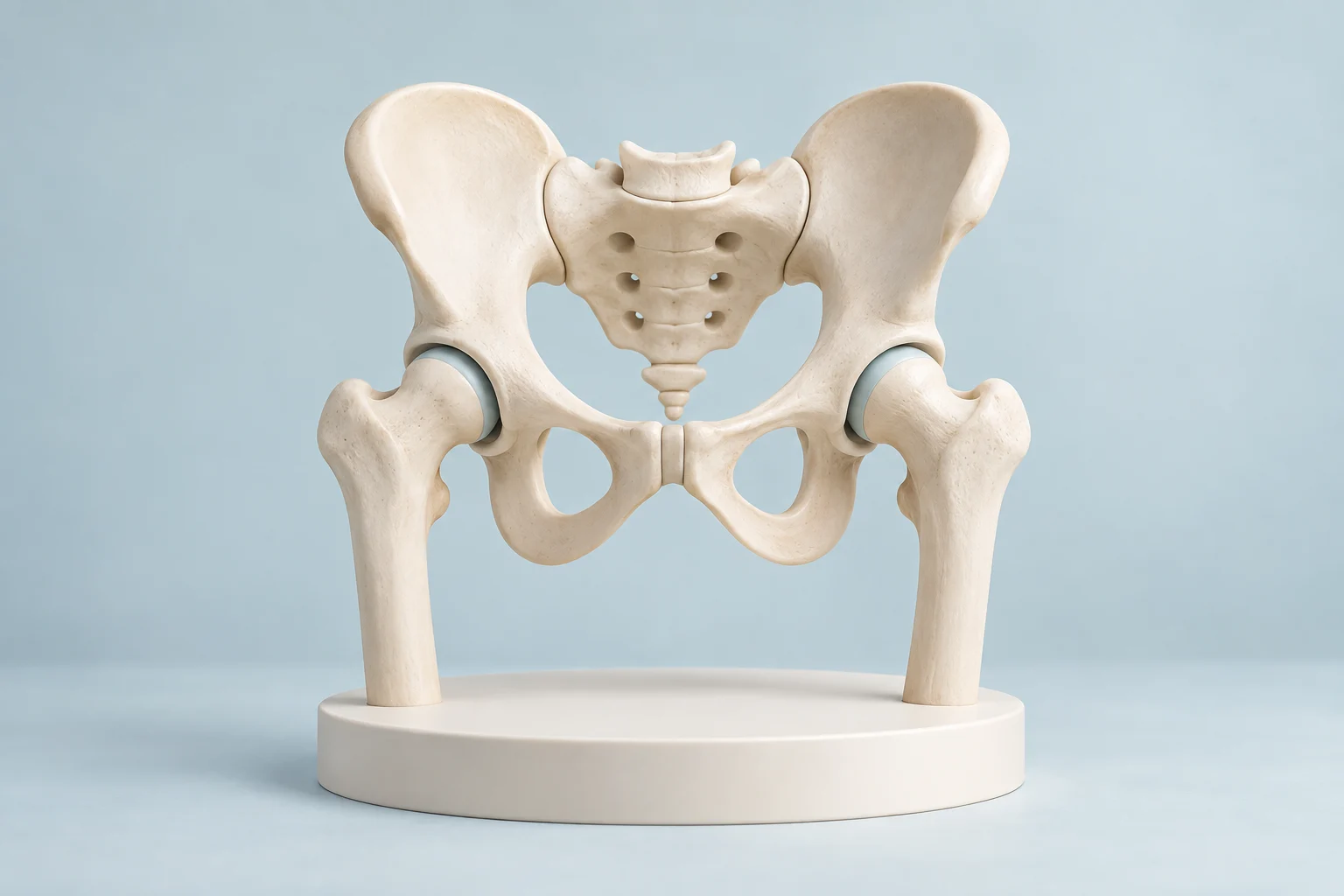
Femoroacetabular impingement describes a hip shape that can cause abnormal contact and damage within the joint. AAOS explains that assessment may involve examination and imaging, with non-surgical treatment considered before surgery in appropriate cases. If an overseas clinic proposes arthroscopy, ask how the findings explain your particular pain. Describe where you feel it, which movements provoke it and any back or other joint symptoms. A report mentioning a labral tear or impingement is a starting point for discussion. The specialist should explain whether that finding is likely to be the main problem and what surgery can realistically address.
Ask what will be done inside the hip
Hip arthroscopy can involve different procedures, including labral treatment and reshaping bone. Request the proposed steps in plain language and ask how the amount of cartilage damage affects the expected result. Discuss whether any features of the hip make arthroscopy less suitable or require another approach. It should be clear which findings might change the plan after an in-person assessment. Avoid treating every minimally invasive hip operation as equivalent. The recommendation should describe the specific tissue problem, the intended correction and the alternatives that remain reasonable if the expected benefit is uncertain.
Prepare for the actual rehabilitation
Ask how walking aids, weight-bearing and movement restrictions depend on the procedure performed. A labral repair may bring different instructions from another arthroscopic treatment, so your home therapist needs the final operative report. Check the practical demands of your accommodation and journey with the rehabilitation team before booking. Discuss who will review persistent pain or slow progress after returning home. Small skin incisions do not describe the work performed inside the joint or establish readiness for sport. A complete plan connects the surgical aim with the rehabilitation required to test whether it has helped the activities that matter to you.
Questions to take with you
- Does the scan finding explain my symptoms?
- Which procedures are planned during arthroscopy?
- How does cartilage damage affect the expected benefit?
Sources & further reading
Further reading from the medical, regulatory and specialist organisations cited in this article.
How we approach our content